

How to Hire a YouTube Manager Without Losing Control of Your Channel
Building a successful YouTube channel often requires more help than one person can provide. As your subscriber count grows and content demands...
10 min read
Turning your podcast into a profitable business shouldn't mean losing the authentic connection that made your audience fall in love with your show in the first place. Yet countless podcasters make critical monetization mistakes that erode listener trust and ultimately damage their long-term revenue potential.

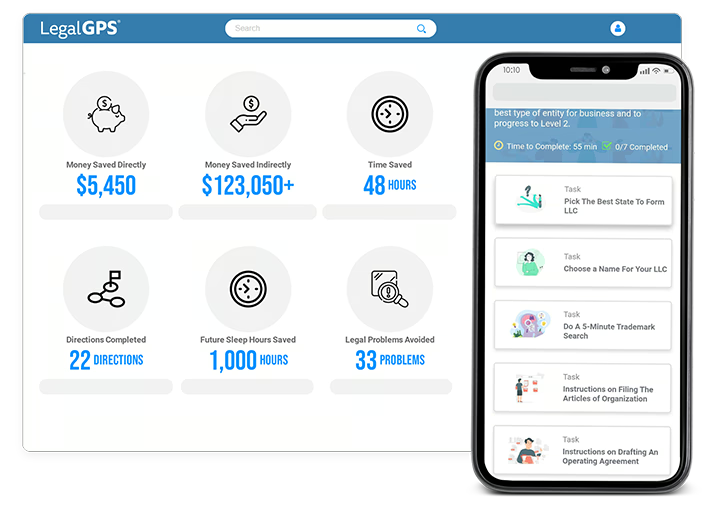
Legal GPS Pro
Protect your business with our complete legal subscription service, designed by top startup attorneys.
The key lies in understanding that sustainable podcast monetization isn't about extracting maximum value from your audience. It's about creating genuine value that your listeners are happy to support, whether through purchasing products, engaging with sponsors, or subscribing to premium content.
Most podcasters approach monetization backwards. They start with revenue goals instead of audience needs, leading to partnerships and products that feel forced, inauthentic, or completely disconnected from their show's purpose.
Your podcast exists because listeners trust you to deliver valuable content consistently. Every monetization decision either builds or erodes that trust. When trust disappears, so does your audience, and with it, any hope of sustainable revenue.
Trust erosion happens gradually, then suddenly. Listeners might tolerate one poorly matched sponsor or one awkward product pitch. But pattern recognition kicks in quickly when they sense their interests taking a backseat to your revenue goals.
The podcasters who succeed long-term treat their audience relationship like any important business partnership. They make decisions that benefit both parties and communicate openly about their monetization efforts.

Podcast Sponsorship Agreement outlining ad placements, payments, and brand guidelines.
Trusted by 1,000+ businesses to safeguard their LLCs.
The biggest mistake is accepting any sponsor that offers money, regardless of fit. This creates jarring experiences where a meditation podcast suddenly promotes energy drinks, or a financial advice show pushes questionable investment schemes.
Another critical error is changing your content format dramatically to accommodate monetization. Listeners subscribe for specific reasons, and major changes to serve advertisers rather than the audience typically backfire.
Many podcasters also underestimate the importance of disclosure timing and transparency. Burying sponsorship disclosures or failing to clearly identify paid content creates legal risks and damages credibility when listeners discover these relationships independently.
Successful podcast monetization starts with deep audience understanding. You need to know not just who listens, but why they listen, what problems they're trying to solve, and how they prefer to engage with commercial content.
Your audience chose your podcast from millions of options available. Understanding their specific motivations helps you create monetization approaches that feel like natural extensions of your content rather than interruptions.
Survey your listeners directly about their challenges, interests, and spending habits. Ask what products or services they currently use in your niche. This information becomes the foundation for authentic monetization opportunities.
Consider your audience's relationship with commercial content in general. Some communities embrace product recommendations enthusiastically, while others prefer subtle integration or complete separation of content and commerce.
Pat Flynn of Smart Passive Income built a multimillion-dollar podcast business by making his monetization strategy completely transparent. He regularly shares exact revenue numbers, explains his sponsor selection process, and asks his audience for feedback on potential partnerships.
Flynn's approach works because he treats monetization as a community discussion rather than something he imposes on listeners. When he launched his own courses, his audience already understood his teaching philosophy and business approach from years of transparent communication.
His revenue disclosure posts consistently rank among his most popular content, proving that audiences appreciate honesty about commercial relationships. This transparency also insulates him from criticism when he does promote products, because listeners trust his recommendation process.
Sponsorship remains the most common podcast monetization method, but execution varies dramatically in effectiveness and audience reception. The difference between successful and problematic sponsorships lies in strategic partner selection and authentic integration.
Your sponsor choices become part of your brand identity. Listeners judge you not just on your content, but on the companies you choose to associate with and promote. This means sponsor selection requires the same care you put into content creation.
Develop written criteria for potential sponsors before you need them. Consider industry alignment, company values, product quality, and audience relevance. Having clear standards prevents you from accepting problematic partnerships when you're facing revenue pressure.
Test potential sponsors yourself before accepting partnerships. Use their products or services genuinely, and document your experience. This firsthand knowledge makes your eventual promotion more authentic and credible.
The Federal Trade Commission requires clear disclosure of any paid relationships between podcasters and sponsors. These requirements aren't suggestions; they're legal obligations that carry potential penalties for violations.
Disclosures must be clear, prominent, and placed where listeners will notice them. Burying disclosure language in show notes or speaking disclaimers quickly doesn't meet legal requirements. The average listener should understand the commercial nature of the content.
For podcast advertising, verbal disclosures at the beginning of sponsored segments work best. Phrases like "This segment is brought to you by..." or "I'm excited to share this sponsor..." clearly identify paid content without sounding overly legal or awkward.
The New York Times' flagship podcast The Daily faced backlash in 2019 when they accepted sponsorship from Saudi Arabia's tourism board while simultaneously covering the kingdom's human rights violations in their news content.
The partnership created an obvious conflict of interest that undermined the show's journalistic credibility. Listeners questioned whether the podcast's coverage could remain objective while accepting money from subjects they were reporting on.
The controversy forced The Daily to develop stricter sponsor screening processes and clearer editorial guidelines. The incident cost them significant audience trust and demonstrated how poor sponsor choices can damage even well-established shows.
Develop a written sponsor policy that outlines acceptable and unacceptable partnership categories. Include specific restrictions around competitors, controversial industries, and products that conflict with your content themes.
Require potential sponsors to provide detailed product information, customer testimonials, and company background before you commit to partnerships. This due diligence protects you from promoting problematic companies or products.
Build flexibility into your sponsor agreements that allows you to terminate partnerships if circumstances change. Include clauses that protect your editorial independence and give you final approval over ad content and placement.
Creating your own products and services often provides higher profit margins than sponsorships while giving you complete control over the customer experience. However, product development requires understanding exactly what your audience needs and wants.
Your podcast content already reveals your audience's biggest challenges and interests. Pay attention to recurring questions, common problems listeners mention, and topics that generate the most engagement.
Start with simple solutions to immediate problems rather than comprehensive courses or complex products. Digital downloads, templates, checklists, and guides often validate market demand before you invest in larger product development.
Involve your audience in the development process through surveys, polls, and preview content. This engagement builds anticipation while ensuring your final product meets real needs rather than assumed ones.
Integrate product mentions naturally into your content rather than dedicating entire episodes to sales pitches. Reference how your products solve problems you're already discussing, or mention them as resources for listeners who want to go deeper.
Provide substantial value before asking for anything in return. Give away enough useful content that purchasing feels like accessing more of something valuable rather than paying for basic information.
Time your product promotions strategically around relevant content themes. Promote organizational tools during productivity episodes, or mention business templates when discussing entrepreneurship challenges.
Digital marketing expert Amy Porterfield built a multimillion-dollar online course business largely through her podcast audience. Her success comes from spending months providing valuable free content before launching paid courses.
Porterfield typically dedicates 10-15 episodes to teaching foundational concepts before mentioning her related course. By the time she opens enrollment, listeners already understand her teaching style and have experienced value from her methods.
Her course launch episodes don't feel like sales pitches because she structures them as extended teaching sessions that happen to mention a paid option for additional support and resources. This approach maintains the educational focus while naturally introducing commercial options.
Subscription models work well for podcasts with highly engaged audiences who consume content regularly. However, the key lies in determining what content deserves premium placement without alienating your free audience.
Reserve premium placement for supplementary content that enhances but doesn't replace your free episodes. Behind-the-scenes content, extended interviews, bonus episodes, and community access work well as premium offerings.
Avoid putting your best content behind paywalls, as this punishes loyal listeners who supported you before monetization. Instead, think of premium content as additional value for your most engaged fans.
Consider creating premium versions of existing content rather than entirely separate premium content. Extended episodes, ad-free versions, or early access to regular content provides value without creating completely different shows.
Start with lower price points to test demand and build your premium subscriber base. It's easier to raise prices for new subscribers than to win back listeners who feel priced out initially.
Offer multiple pricing tiers that provide different value levels. Basic tiers might include ad-free content, while higher tiers add community access, live Q&A sessions, or exclusive bonus content.
Communicate clearly about what remains free and what becomes premium. Transparency about your content strategy helps free listeners understand they're not losing anything while premium subscribers gain additional value.
Launch premium features as limited-time experiments before committing to ongoing subscription models. This allows you to gauge demand and refine your offerings based on actual subscriber behavior.
Survey your existing audience about their interest in premium content before developing it. Ask specific questions about pricing, content types, and access preferences to inform your strategy.
Consider partnering with existing platforms like Patreon or Supercast initially rather than building custom subscription infrastructure. These platforms handle payment processing and content delivery while you focus on content creation.
Podcast monetization creates legal obligations that many creators overlook until problems arise. Understanding these requirements upfront prevents costly mistakes and protects your business as it grows.
Beyond FTC advertising disclosure requirements, your podcast monetization may trigger additional transparency obligations depending on your content and audience. Financial advice, health recommendations, and business guidance often require specific disclaimers.
If you discuss investments, crypto, or financial planning, include disclaimers about not providing personalized financial advice. These disclaimers protect you from liability if listeners make financial decisions based on your general educational content.
Product recommendations may require disclosure even when you're not paid directly for them. If you receive free products, benefit from affiliate relationships, or have any financial connection to recommended companies, transparency protects both you and your audience.
Your podcast content, format, and branding represent valuable intellectual property that deserves protection. As you monetize, protecting these assets becomes increasingly important for long-term business success.
Consider trademarking your podcast name, logo, and any unique phrases or concepts you've developed. This protection prevents competitors from confusing your audience or diluting your brand value.
Understand copyright implications when using music, quotes, or other content in your monetized episodes. Commercial use often requires different licensing than personal or educational use, potentially increasing your costs or limiting content options.
Joe Rogan's $100 million exclusive deal with Spotify created complex legal challenges around content control, advertising restrictions, and platform obligations that many podcasters don't consider when negotiating distribution agreements.
The deal required Rogan to navigate exclusive distribution requirements, content moderation policies, and revenue sharing arrangements that significantly impacted his creative control. Several episodes were removed or modified to meet platform guidelines.
Rogan's experience demonstrates the importance of understanding how distribution deals affect content ownership, creative control, and future monetization options. Even lucrative deals can create restrictions that impact long-term business flexibility.
When negotiating sponsor agreements, distribution deals, or platform partnerships, prioritize terms that preserve your creative control and business flexibility. Short-term revenue gains aren't worth long-term independence losses.
Include termination clauses that allow you to exit partnerships if circumstances change or conflicts arise. These provisions protect you from being locked into problematic relationships that could damage your reputation or limit future opportunities.
Negotiate editorial control provisions that give you final approval over sponsor content, ad placement, and any changes to your show format. Maintaining control over your audience experience ensures monetization enhances rather than detracts from your content.
Affiliate marketing can provide substantial podcast revenue while maintaining audience trust, but success requires careful product selection and transparent communication about commercial relationships.
Limit affiliate promotions to products you genuinely use and recommend to friends and family. This personal experience allows you to speak authentically about benefits, limitations, and appropriate use cases.
Test products thoroughly before promoting them, even if companies offer immediate commissions. Your reputation depends on the quality of products you recommend, not the size of potential commissions.
Maintain detailed notes about your product experience so you can reference specific benefits and use cases when discussing them on your show. These concrete examples make your recommendations more credible and useful.
Disclose affiliate relationships immediately before discussing products, not buried in show notes or mentioned only briefly. Clear disclosure protects you legally while maintaining audience trust.
Explain what affiliate relationships mean in practical terms rather than using jargon like "affiliate partnership." Most listeners understand "I earn a small commission if you purchase through my link" better than complex legal language.
Consider mentioning your affiliate disclosure policy periodically rather than only when promoting specific products. This ongoing transparency helps listeners understand your approach to commercial relationships.
Tim Ferriss built substantial affiliate revenue by promoting only products he uses extensively in his personal life and business. His detailed product explanations come from genuine experience rather than marketing materials.
Ferriss often discusses products for months before revealing affiliate relationships, establishing credibility through detailed use cases and honest assessments of limitations alongside benefits.
His approach works because listeners trust his judgment based on consistent transparency and quality recommendations over many years. This trust translates into higher conversion rates than typical affiliate marketing because recommendations feel like advice from a trusted friend.
Sustainable podcast monetization usually involves multiple revenue sources rather than relying heavily on any single income stream. However, implementing multiple strategies simultaneously often creates audience confusion and dilutes your efforts.
Start with one monetization method and perfect it before adding others. This focused approach allows you to understand what works with your specific audience while maintaining content quality.
Sponsorships often provide the easiest starting point because they don't require product development or complex infrastructure. Once sponsorship processes are refined, consider adding affiliate partnerships or premium content options.
Avoid launching multiple revenue streams during the same time period, as this can overwhelm your audience and make it difficult to determine which strategies are actually effective.
Survey your audience about monetization preferences before implementing new revenue strategies. Many listeners are happy to support creators they value but prefer certain approaches over others.
Create polls or discussions about potential products, sponsorship categories, or premium content ideas. This engagement helps you prioritize development efforts while building anticipation for new offerings.
Consider running limited-time experiments with new monetization approaches before committing long-term. Beta tests allow you to refine strategies based on actual results rather than assumptions.
Track engagement metrics alongside revenue metrics to ensure monetization efforts aren't negatively impacting audience satisfaction. Declining download numbers, engagement rates, or listener feedback often indicate monetization problems.
Monitor comments, reviews, and direct listener feedback for changes in sentiment after implementing monetization changes. Early warning signs allow you to adjust strategies before significant audience loss occurs.
Set revenue goals that account for potential audience fluctuation as you introduce commercial elements. Realistic expectations prevent panic decisions that might damage long-term sustainability.
As your podcast generates revenue, proper legal protection becomes essential for safeguarding your business assets and personal finances from potential risks and liabilities.
Sponsor agreements should clearly define payment terms, content requirements, performance expectations, and termination procedures. Well-written contracts prevent misunderstandings and provide recourse when problems arise.
Guest release forms protect you from future content disputes and clarify intellectual property ownership for collaborative content. These agreements become increasingly important as your podcast gains commercial value.
Terms of service and privacy policies for your website and premium content protect you from user-generated content issues and data handling liability. Professional legal documents demonstrate credibility while providing practical protection.
Legal GPS offers professionally drafted contract templates specifically designed for content creators and digital entrepreneurs. These templates provide comprehensive protection while remaining affordable for growing podcast businesses.
Our sponsorship agreement templates include industry-standard terms that protect podcaster interests while remaining fair to sponsor partners. These balanced agreements facilitate smoother negotiations and clearer expectations.
The Legal GPS Pro subscription includes access to our complete library of digital business contracts, plus expert guidance on customizing templates for your specific podcast monetization needs. Professional legal protection shouldn't require expensive custom drafting when proven templates can provide equivalent protection at a fraction of the cost.
Legal GPS Pro
Protect your business with our complete legal subscription service, designed by top startup attorneys.
|
Premium Template
Single-use Template |
Legal GPS Pro
Unlimited Access, Best Value |
|
|
| Choose Template | Learn More |
| Trusted by 1000+ businesses | |

Building a successful YouTube channel often requires more help than one person can provide. As your subscriber count grows and content demands...

Affiliate marketing generates over $12 billion annually in the United States alone, making it one of the most attractive revenue streams for...

Sponsorships can be a game-changer for events, providing critical funding, marketing support, and brand credibility. However, securing sponsors isn’t...