

The Online Course Launch Mistakes That Cost Creators Their Profits
The online course industry generates over $325 billion annually, yet countless creators watch their profits vanish due to preventable legal mistakes....
10 min read
The e-commerce boom has created incredible opportunities for entrepreneurs to build thriving online businesses. However, beneath the surface of every successful online store lies a complex web of legal requirements that many business owners discover too late. The statistics are sobering: over 40% of small e-commerce businesses face legal challenges within their first three years, and many never recover from the financial impact.

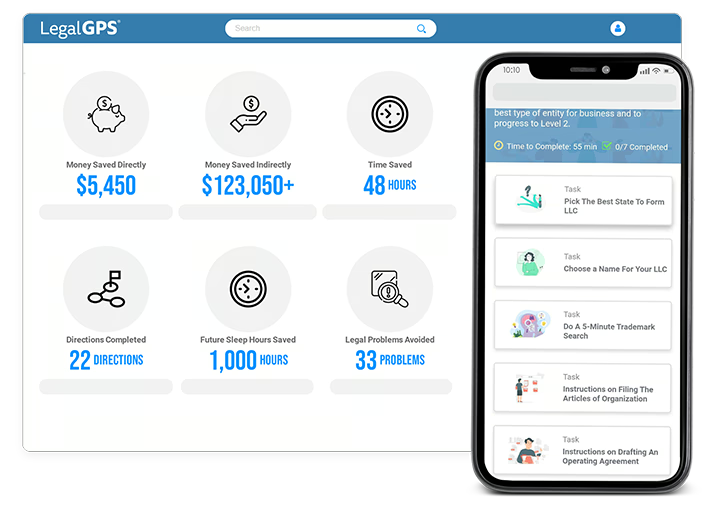
Legal GPS Pro
Protect your business with our complete legal subscription service, designed by top startup attorneys.
Legal mistakes in e-commerce don't just result in fines or warnings. They can trigger lawsuits, force complete business shutdowns, and destroy years of hard work overnight. The entrepreneurs who survive and thrive are those who understand that legal compliance isn't an optional add-on—it's the foundation that everything else is built upon.
This comprehensive guide examines the most common legal mistakes that have actually shut down online stores, providing real-world examples and actionable strategies to protect your business. Whether you're launching your first online store or scaling an existing operation, understanding these pitfalls could be the difference between long-term success and devastating failure.
Your terms of service and privacy policy aren't just legal formalities—they're the binding contracts that govern every customer interaction with your business. Yet countless e-commerce businesses treat these documents as afterthoughts, often copying templates without understanding their implications or failing to update them as regulations change.
The most dangerous mistake is operating without proper terms of service. These documents establish crucial protections including limitation of liability, dispute resolution procedures, and governing law clauses. Without them, you're essentially operating without legal protection, leaving your business vulnerable to costly litigation over minor disputes.
Privacy policies have become equally critical, especially with regulations like GDPR and CCPA requiring specific disclosures about data collection and usage. A poorly written or missing privacy policy can result in regulatory fines reaching into the millions of dollars. The key is ensuring your policies accurately reflect your actual business practices and comply with all applicable laws.
TechStart, a promising electronics retailer, experienced rapid growth in their first year, expanding from local sales to international shipping. Founder Michael Chen had copied a basic privacy policy template at launch but never updated it as the business evolved. The company began collecting customer email addresses for marketing, storing payment information for faster checkout, and using analytics tools to track user behavior.
When TechStart expanded to European customers, they unknowingly violated GDPR requirements by failing to obtain explicit consent for data processing and lacking proper data deletion procedures. A single complaint from a German customer triggered a regulatory investigation that resulted in a €250,000 fine. The company was forced to halt all European operations and spent an additional €180,000 on legal fees and compliance consulting.
The investigation revealed that TechStart's privacy policy didn't mention their email marketing practices, failed to disclose third-party analytics tools, and contained no information about customer rights under various privacy laws. Within six months, the combined financial impact forced the company to close permanently. A simple investment in proper legal documentation could have prevented this entirely.
Intellectual property violations represent one of the fastest ways to destroy an e-commerce business. These issues range from selling counterfeit products to accidentally infringing on trademarks through product descriptions or marketing materials. The consequences extend far beyond financial penalties, often resulting in complete platform bans that eliminate your ability to reach customers.
Copyright infringement frequently occurs when businesses use images, videos, or text content without proper licensing. Many entrepreneurs assume that content found through search engines is free to use, not realizing that professional product photos, marketing videos, and written descriptions are typically protected by copyright. Using these materials without permission can result in DMCA takedown notices and substantial legal damages.
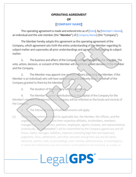
E-commerce Terms of Service covering user rules, purchases, payments, and disputes.
Trusted by 1,000+ businesses to safeguard their LLCs.
Trademark violations pose an even greater threat because they can trigger immediate injunctive relief, forcing you to stop using branded terms in your business name, product listings, or marketing materials. Patent infringement, while less common, can result in the most severe consequences, including forced recalls and ongoing royalty payments.
Conduct a comprehensive legal audit every 30 days during your first year of operation. Create a checklist that includes:
Set calendar reminders to review any new supplier agreements, examine customer complaints for potential legal issues, and verify that your insurance coverage matches your current business scope. This monthly practice helps catch issues before they become expensive problems and ensures your legal documentation evolves with your business.
Document everything in a simple spreadsheet with dates, issues identified, and actions taken. This creates a paper trail that demonstrates good faith compliance efforts if legal issues do arise later.
HandCrafted Goods started as a small Etsy shop selling custom wooden signs and home décor. Owner Sarah Martinez built a loyal following by creating personalized items featuring popular phrases and quotes. As demand grew, she expanded to her own website and began selling mass-produced items alongside custom pieces.
The trouble began when Sarah started using trademarked phrases on her products without realizing the legal implications. She created a popular line of motivational signs featuring phrases like "Just Do It" and "Think Different," not understanding these were registered trademarks of major corporations. Sales were strong until she received simultaneous cease and desist letters from Nike and Apple's legal teams.
The legal demands required Sarah to immediately stop selling infringing products, destroy existing inventory, and pay substantial damages. Nike alone demanded $50,000 in damages and ongoing royalties. Unable to afford the legal fees to fight the claims or the financial settlements demanded, Sarah was forced to close the business entirely. The inventory destruction alone cost $30,000, and the legal fees consumed her remaining savings.
Consumer protection laws govern how you advertise products, handle customer complaints, process returns, and communicate with buyers. These regulations vary significantly by state and country, creating a complex compliance landscape that many e-commerce businesses navigate poorly. Violations can trigger investigations by agencies like the Federal Trade Commission, resulting in substantial fines and mandatory business practice changes.
False advertising represents the most common consumer protection violation in e-commerce. This includes making unsubstantiated claims about product benefits, using misleading before-and-after photos, or failing to disclose material limitations or side effects. The FTC takes an expansive view of what constitutes false advertising, including implications created by product placement or customer testimonials.
Return and refund policies must comply with both federal regulations and state laws, which can vary dramatically. Some states require specific cancellation periods for certain types of purchases, while others mandate particular disclosure language. Failure to honor stated return policies or process refunds within required timeframes can result in both regulatory penalties and customer lawsuits.
FitGear Pro marketed a line of dietary supplements with before-and-after photos showing dramatic weight loss results. Founder David Kim used customer photos but enhanced them digitally to make the results more dramatic. The marketing claimed users could "lose 30 pounds in 30 days" and featured testimonials from customers who achieved exceptional results with additional diet and exercise programs.
The FTC investigation began after competitors filed complaints about the misleading advertising. Investigators discovered that the dramatic before-and-after photos were digitally altered and that the testimonials failed to disclose the additional efforts required to achieve the advertised results. The company couldn't provide scientific evidence supporting their weight loss claims.
The FTC settlement required FitGear to pay $750,000 in consumer refunds and implement extensive advertising compliance measures. The company was banned from making any weight loss claims without rigorous scientific substantiation and required to disclose typical results rather than exceptional cases. Unable to market their products effectively under these restrictions, FitGear closed within eight months of the settlement.
Expanding internationally dramatically increases your legal compliance obligations, often in ways that aren't immediately obvious. Each country has its own consumer protection laws, privacy regulations, tax requirements, and import restrictions. Many e-commerce businesses discover these obligations only after violating them, when the penalties can be severe enough to force immediate market withdrawal.
GDPR compliance affects any business serving European customers, regardless of where the business is located. The regulation requires explicit consent for data collection, specific privacy notice language, data deletion capabilities, and appointed data protection officers for larger operations. Penalties can reach 4% of annual global revenue, making compliance failures potentially fatal for smaller businesses.
Value-added tax (VAT) obligations kick in at different thresholds in different countries, and the rules change frequently. Many businesses unknowingly trigger VAT registration requirements by exceeding sales thresholds in foreign countries, then face penalties for failing to register and remit taxes properly. Some countries require immediate payment of accumulated tax liability upon discovery, creating severe cash flow problems.
Before entering any new international market, create a compliance checklist specific to that country. Research:
Contact local legal counsel for complex markets rather than relying on online research alone. Implement geo-blocking for countries where you can't afford compliance until you're ready to properly enter those markets. Many platforms allow you to restrict sales by country, preventing accidental legal obligations.
Consider partnering with local distributors who handle compliance rather than trying to manage international regulations directly. Set aside a percentage of international revenue for compliance costs and potential penalties. International legal issues are expensive to resolve and often require local legal representation.
Payment processing compliance, particularly PCI DSS (Payment Card Industry Data Security Standard), creates complex technical and legal obligations that many e-commerce businesses handle inadequately. PCI compliance isn't optional—it's required by credit card companies and can result in substantial fines, increased processing fees, and complete loss of payment processing capabilities if violated.
The most dangerous mistake is storing customer payment information without proper security measures. Many businesses assume their e-commerce platform handles all security requirements, not realizing that PCI compliance obligations extend to the merchant regardless of the platform used. Even businesses using third-party payment processors must ensure their own systems meet PCI requirements.
Data breaches trigger notification requirements under both PCI DSS and various state privacy laws. The notification process is complex and time-sensitive, with specific requirements for customer notification, regulatory reporting, and remediation measures. Failure to handle breach notifications properly can result in additional penalties beyond those related to the underlying security failure.
PayFast Electronics processed over $2 million annually through their custom e-commerce platform. Owner Jennifer Walsh had hired a developer to create a unique checkout system that stored customer payment information for easier repeat purchases. The system appeared to work perfectly and customers appreciated the streamlined ordering process.
The problems emerged during a routine audit triggered by increased transaction volume. PayFast's payment processor discovered that the custom checkout system wasn't PCI compliant and was storing unencrypted credit card information in a standard database. The violation had existed for over two years, during which the company processed thousands of transactions.
The immediate consequences were severe. The payment processor imposed a $50,000 fine and increased processing fees by 0.5% on all future transactions. PayFast was required to hire a certified security assessor to conduct a full compliance audit, costing an additional $25,000. The company was forced to rebuild their entire checkout system and notify all customers about the security vulnerability. Unable to absorb the financial impact and facing ongoing compliance costs, PayFast closed the business within four months.
Product liability represents one of the most serious legal risks in e-commerce because it can result in personal injury lawsuits with unlimited damage potential. Unlike other business violations that typically result in fines or regulatory action, product liability issues can trigger massive jury awards that exceed insurance coverage and force immediate bankruptcy.
Consumer Product Safety Commission (CPSC) regulations apply to most physical products sold in the United States, with particularly strict requirements for children's products, electronics, and items with safety implications. Many imported products don't meet US safety standards, and the legal responsibility falls on the importer or seller, not the overseas manufacturer.
Product liability insurance is essential but often inadequate. Many business owners purchase general liability coverage without understanding that product liability requires specific coverage with sufficient limits. A single serious injury can result in millions of dollars in damages, far exceeding typical small business insurance policies.
KidsPlay Toys built a successful business selling educational toys imported from various overseas manufacturers. Owner Maria Rodriguez carefully researched suppliers and believed she was selling safe, high-quality products. The business grew rapidly through Amazon and her own website, generating over $500,000 in annual revenue.
The crisis began when a three-year-old child was hospitalized after swallowing small parts from one of KidsPlay's wooden puzzle sets. The Consumer Product Safety Commission investigation revealed that the product didn't meet required safety standards for children's toys and contained lead paint levels exceeding federal limits. The CPSC issued a mandatory recall for over 10,000 units sold over two years.
The recall process alone cost $150,000 in notification, refund, and administrative expenses. The injured child's family filed a lawsuit seeking $2 million in damages, which exceeded KidsPlay's insurance coverage by $1.5 million. Facing potential personal bankruptcy and unable to continue operations during the investigation, Maria was forced to close the business permanently. The legal and financial consequences followed her for years, affecting her credit and ability to start new ventures.
E-commerce businesses frequently misclassify workers as independent contractors when they should be treated as employees, often unknowingly triggering significant tax and labor law violations. The distinction between contractors and employees depends on factors like control over work methods, integration into business operations, and financial arrangements—not simply what you call the relationship in your agreement.
Misclassification can result in back payment of payroll taxes, unemployment insurance, workers' compensation premiums, and employee benefits. Some states impose additional penalties, and the IRS can assess substantial interest and penalty charges. The financial impact often reaches tens of thousands of dollars per misclassified worker.
Remote work arrangements complicate employment law compliance because different states have varying requirements for overtime, break periods, and expense reimbursements. Many e-commerce businesses hire remote workers without understanding the employment law obligations in the worker's state, accidentally triggering compliance requirements they're not prepared to meet.
Use a formal classification assessment for every worker relationship. Document factors like:
When in doubt, treat workers as employees rather than contractors—the penalties for misclassification far exceed the costs of proper classification. Consult with employment law attorneys in any state where you have workers, especially for remote arrangements. State employment laws vary dramatically, and compliance requirements can be triggered by having even one worker in certain states.
Consider using professional employer organizations (PEOs) for complex multi-state employment situations. Regular audits by employment law professionals can catch classification issues before they become expensive problems. The investment in professional guidance is minimal compared to the potential costs of violations.
Proactive legal planning represents the most cost-effective approach to protecting your e-commerce business. The key is implementing systematic legal review processes rather than waiting for problems to emerge. Most legal issues in e-commerce are preventable through proper planning and regular compliance monitoring.
Start with comprehensive legal documentation that accurately reflects your business practices and complies with applicable regulations. This includes terms of service, privacy policies, supplier agreements, and employment contracts. These documents should be reviewed and updated regularly as your business evolves and regulations change.
Insurance represents your primary defense against catastrophic legal risks. Beyond general liability coverage, consider product liability insurance, cyber liability protection, employment practices liability, and errors and omissions coverage. The key is ensuring coverage limits match your actual risk exposure, not just choosing the cheapest available options.
Legal GPS provides the templates and guidance necessary to establish this foundation correctly from the start. Rather than discovering legal requirements through expensive violations, you can build compliance into your business operations from day one. The subscription includes regular updates as regulations change, ensuring your documentation stays current without requiring constant legal consultations.
Your legal strategy should include regular compliance audits, preferably conducted quarterly during rapid growth phases. These audits should examine new products for regulatory compliance, review marketing materials for false advertising risks, verify employment law compliance for any new workers, and ensure privacy policies match current data collection practices.
Documentation habits can save your business when legal issues arise. Maintain records of compliance efforts, supplier certifications, employee classifications, and customer communications. This documentation demonstrates good faith compliance efforts and can significantly reduce penalties when violations do occur.
The entrepreneurs who build lasting e-commerce businesses understand that legal compliance isn't a one-time expense—it's an ongoing investment in business protection. The cost of proactive legal planning is always less than the cost of reactive legal defense, and the peace of mind allows you to focus on growing your business rather than worrying about legal catastrophes.
Consider Legal GPS Pro for comprehensive legal protection that scales with your business growth. The investment in proper legal documentation and ongoing compliance support represents the best insurance policy you can purchase for your e-commerce venture.
Legal GPS Pro
Protect your business with our complete legal subscription service, designed by top startup attorneys.
|
Premium Template
Single-use Template |
Legal GPS Pro
Unlimited Access, Best Value |
|
|
| Choose Template | Learn More |
| Trusted by 1000+ businesses | |

The online course industry generates over $325 billion annually, yet countless creators watch their profits vanish due to preventable legal mistakes....

Choosing the wrong dropshipping supplier can destroy your business faster than almost any other mistake. While dropshipping offers entrepreneurs an...

In today's interconnected digital landscape, APIs (Application Programming Interfaces) power virtually every business application, from payment...